
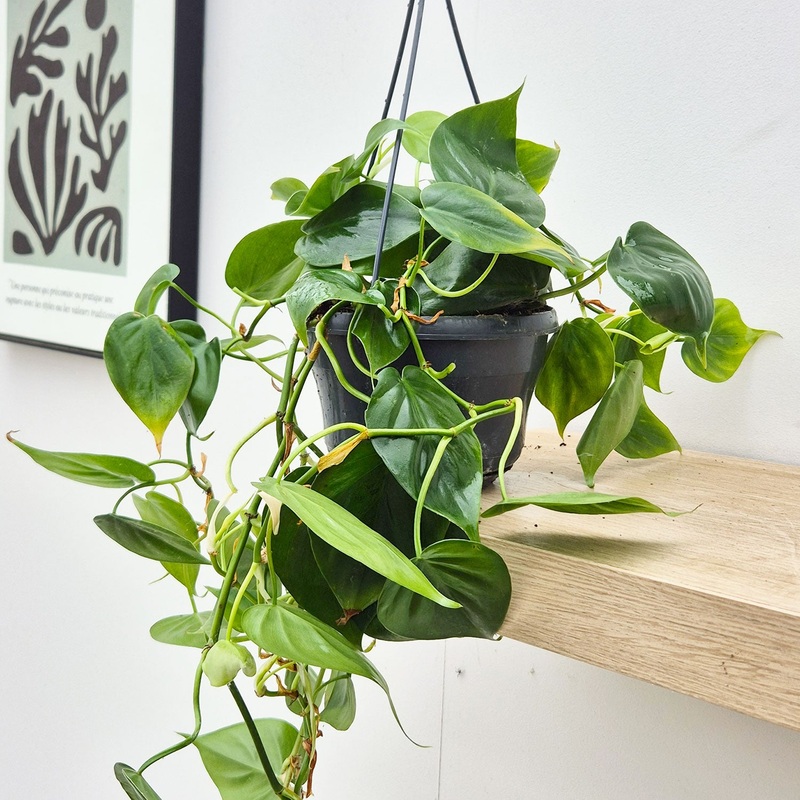
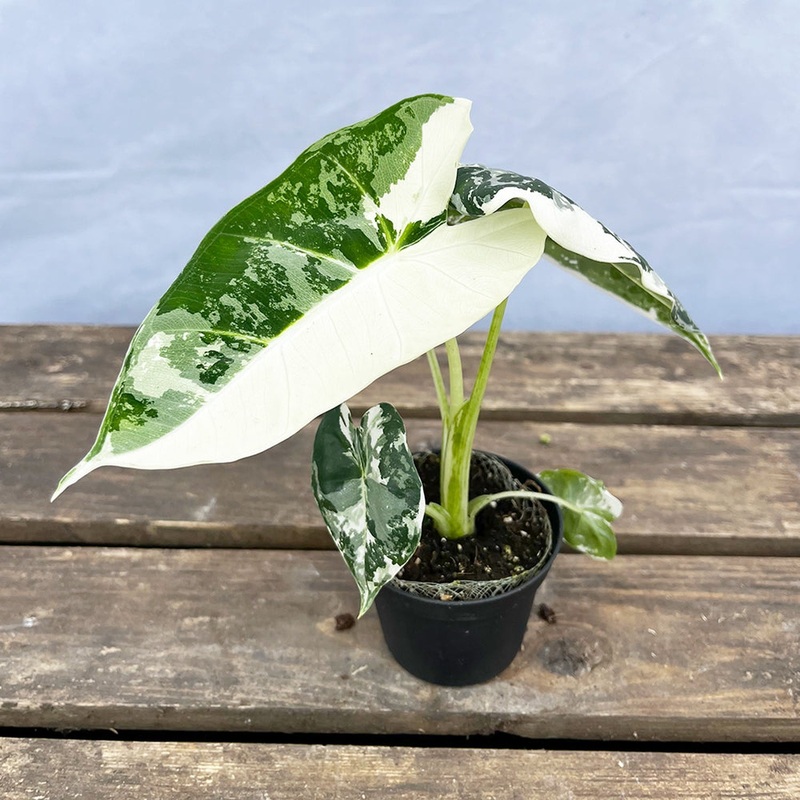
15 – 25cm Philodendron Scandens in Hanging 14cm Pot
Philodendron scandens, also known as the heartleaf philodendron, is a popular trailing plant known for its heart-shaped, deep green leaves and low-maintenance nature. Perfect for hanging pots, this tropical plant from Central and South America brings a lus
Philodendron scandens, also known as the heartleaf philodendron, is a popular trailing plant known for its heart-shaped, deep green leaves and low-maintenance nature. Perfect for hanging pots, this tropical plant from Central and South America brings a lush, cascading look to any space and is well-suited to beginners and seasoned plant owners alike. Heres a detailed guide to caring for Philodendron scandens in a hanging pot:
1. Light Requirements
- Optimal: Bright, indirect light. A spot near an east- or west-facing window is ideal.
- Tolerant: This philodendron can tolerate lower light but may have slower growth and smaller leaves. Avoid direct sunlight, which can burn the foliage.
2. Watering Needs
- Frequency: Water every 1-2 weeks, allowing the top 2.5 cm of soil to dry out between waterings. Philodendron scandens prefers a bit of consistent moisture but doesnt tolerate soggy soil.
- Signs of Overwatering: Yellowing leaves and mushy stems indicate excess water.
- Signs of Underwatering: Leaves may droop and develop brown, crispy edges if not watered enough.
3. Humidity
- Ideal: Moderate to high humidity (50% or higher) helps this tropical plant thrive.
- Tip: If indoor air is dry, occasional misting, a humidity tray, or placing it near other plants can help create a more humid environment.
4. Temperature
- Optimal Range: 18-27C. Typical indoor temperatures are fine for this philodendron.
- Avoid: Temperatures below 15C, as this can slow growth and stress the plant.
5. Soil Requirements
- Type: A well-draining, peat-based potting mix that holds some moisture but drains excess water is best. Adding perlite or orchid bark improves aeration.
- pH: Slightly acidic to neutral (5.5-6.5).
6. Feeding
- Frequency: Feed every 4-6 weeks in the growing season (spring and summer) with a balanced, water-soluble fertiliser diluted to half strength.
- Autumn and Winter: Fertilising is unnecessary in cooler months when growth slows.
7. Pruning and Maintenance
- Pruning: Trim long vines to encourage bushier growth and maintain a fuller appearance. Remove any yellow or damaged leaves at the base.
- Maintenance: Dust off leaves occasionally to keep them healthy and to maximise light absorption. Pinching the tips can encourage branching and a fuller look.
8. Propagation
- Method: Stem cuttings with at least one node can be rooted in water or directly in soil.
- Time: Propagation is most successful in spring and summer when the plant is actively growing.
9. Common Pests and Problems
- Pests: While generally resistant, heartleaf philodendrons can sometimes attract spider mites, aphids, or scale. Inspect regularly and treat infestations with insecticidal soap if needed.
- Issues: Yellowing leaves usually signal overwatering, while browning tips are a sign of underwatering or low humidity.
10. Repotting
- Frequency: Every 1-2 years, or when it becomes root-bound. Repotting refreshes the soil and provides more space for root growth.
- Tip: Choose a pot only slightly larger than the previous one to avoid excess soil, which can hold too much moisture.
The trailing, lush vines of Philodendron scandens make it an ideal plant for hanging pots, adding a beautiful, cascading effect to shelves or window sills. With minimal care, this resilient plant rewards you with vibrant, flowing foliage, creating a lovely green display year-round.
Note, pot colour can change depending on stock
Reviews
There are no reviews yet.