
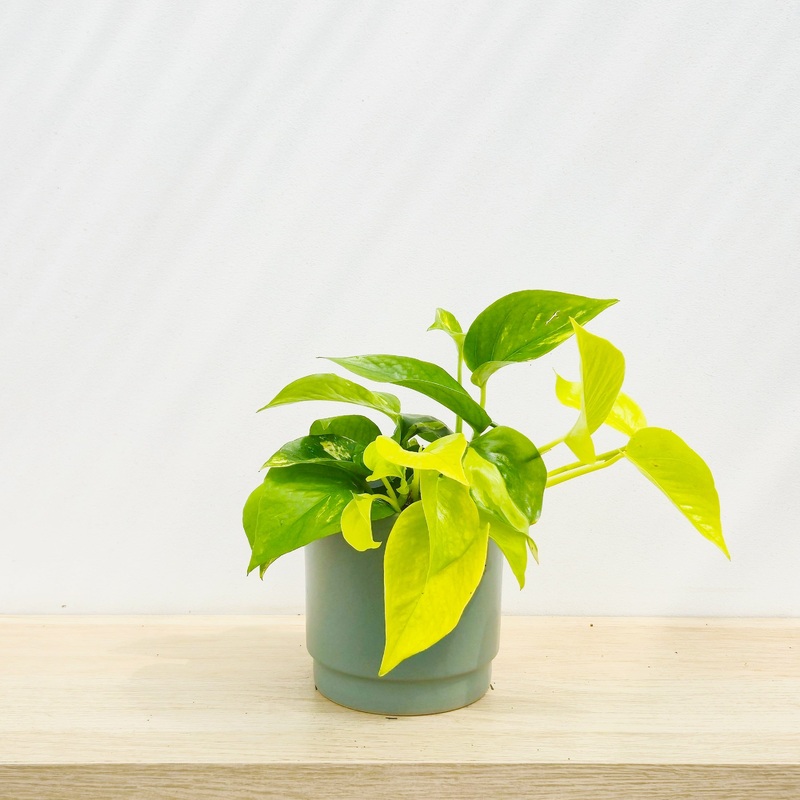
Scindapsus Trio 12cm Pot House Plant
The Scindapsus Trio combines three stunning varieties of the Scindapsus genus in one pot: Scindapsus aureum (commonly known as Pothos or Devil's Ivy), Scindapsus 'Neon', and Scindapsus 'Brazil'. This combination creates a vibrant and visually appealing dis
The Scindapsus Trio combines three stunning varieties of the Scindapsus genus in one pot: Scindapsus aureum (commonly known as Pothos or Devil’s Ivy), Scindapsus ‘Neon’, and Scindapsus ‘Brazil’. This combination creates a vibrant and visually appealing display with a mix of green, golden, and variegated foliage.
-
Appearance:
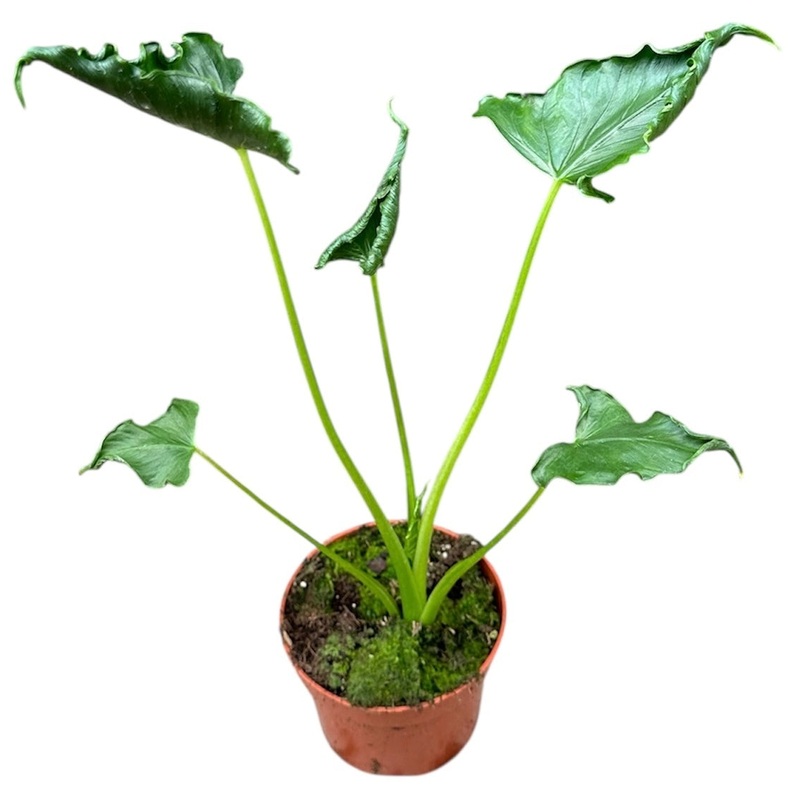
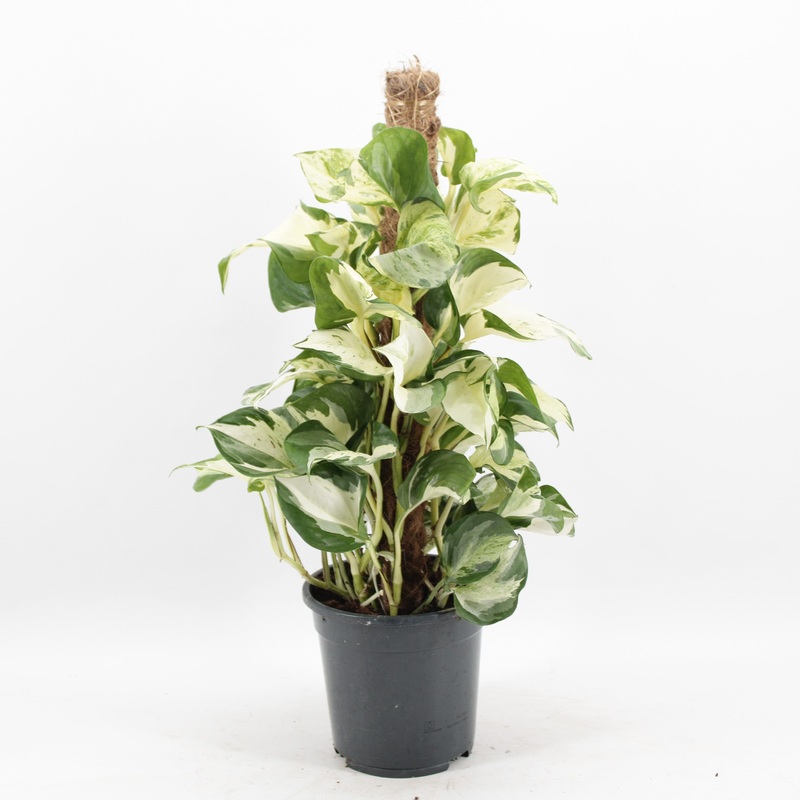
- Scindapsus aureum: Features heart-shaped leaves with a mix of green and yellow variegation. Its trailing vines can grow quite long, making it perfect for hanging baskets or training on supports.
- Scindapsus ‘Neon’: Known for its bright, lime-green leaves that add a pop of colour to any setting. The leaves are also heart-shaped and can trail or climb.
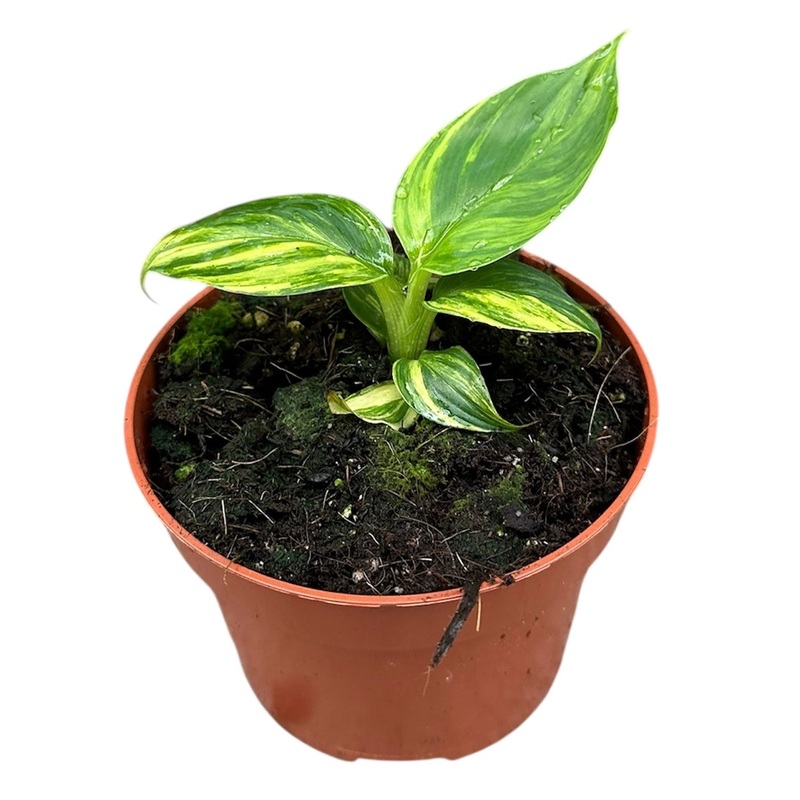
- Scindapsus ‘Brazil’: Displays variegated leaves with a unique pattern of green, yellow, and cream, creating a striking contrast. Like the other varieties, it has a trailing growth habit.
-
Height: When grown indoors, the Scindapsus Trio can trail up to 6 to 10 feet (180 to 300 cm) or more, depending on how it is pruned and trained.
Care Guide:
Light Requirements:
- Indirect Light: All three varieties thrive in bright, indirect light. They can tolerate lower light conditions, but their growth may slow, and variegation may be less pronounced.
- Direct Sunlight: Avoid direct sunlight, which can scorch the leaves, especially the more delicate ‘Neon’ and ‘Brazil’ varieties.
Watering:
- Moderate Watering: Allow the top inch of soil to dry out between waterings. Water thoroughly when the soil feels dry to the touch, ensuring that excess water drains away. Avoid overwatering, which can lead to root rot.
- Humidity: While they can tolerate average indoor humidity, higher humidity levels are beneficial. Mist the leaves occasionally or place a humidity tray nearby to increase moisture.
Temperature:
- Optimal Range: The ideal temperature range for the Scindapsus Trio is between 18C to 27C (65F to 80F). Protect the plants from cold drafts and sudden temperature changes, as they are sensitive to cold.
Soil:
- Well-Draining Mix: Use a well-draining potting mix. A combination of peat moss, perlite, and regular potting soil works well to provide the necessary drainage and aeration.
Fertilising:
- Balanced Fertiliser: Feed the plants with a balanced, water-soluble fertiliser every 4 to 6 weeks during the growing season (spring and summer). Reduce feeding in autumn and winter.
Pruning and Maintenance:
- Regular Pruning: Prune the plants to control their size and shape. Pinch back the stems to encourage bushier growth and remove any yellow or dead leaves to maintain their health and appearance.
- Repotting: Repot the Scindapsus Trio every 2 to 3 years or when they become root-bound. Choose a pot that is one size larger and refresh the potting mix.
Pests and Diseases:
- Common Pests: Watch for common houseplant pests like spider mites, aphids, and mealybugs. Treat infestations promptly with insecticidal soap or neem oil.
- Disease Prevention: Ensure good air circulation around the plants and avoid overwatering to prevent fungal diseases. Yellowing leaves can be a sign of overwatering or poor drainage.
Special Care Tips:
- Support Structures: Provide a moss pole, trellis, or other support for the plants to climb if you prefer vertical growth. This mimics their natural growth habit and can create an attractive display.
- Leaf Cleaning: Dust can accumulate on the leaves, hindering photosynthesis. Wipe the leaves gently with a damp cloth to keep them clean and healthy.
- Propagation: The Scindapsus Trio is easy to propagate. Take stem cuttings with at least one node and place them in water or directly in soil. Roots will develop in a few weeks, allowing you to create new plants.
By following these care guidelines, your Scindapsus Trio will thrive and bring a vibrant mix of colours and textures to your home. Its lush, trailing vines and diverse foliage make it a delightful and low-maintenance addition to any indoor garden.
Reviews
There are no reviews yet.