
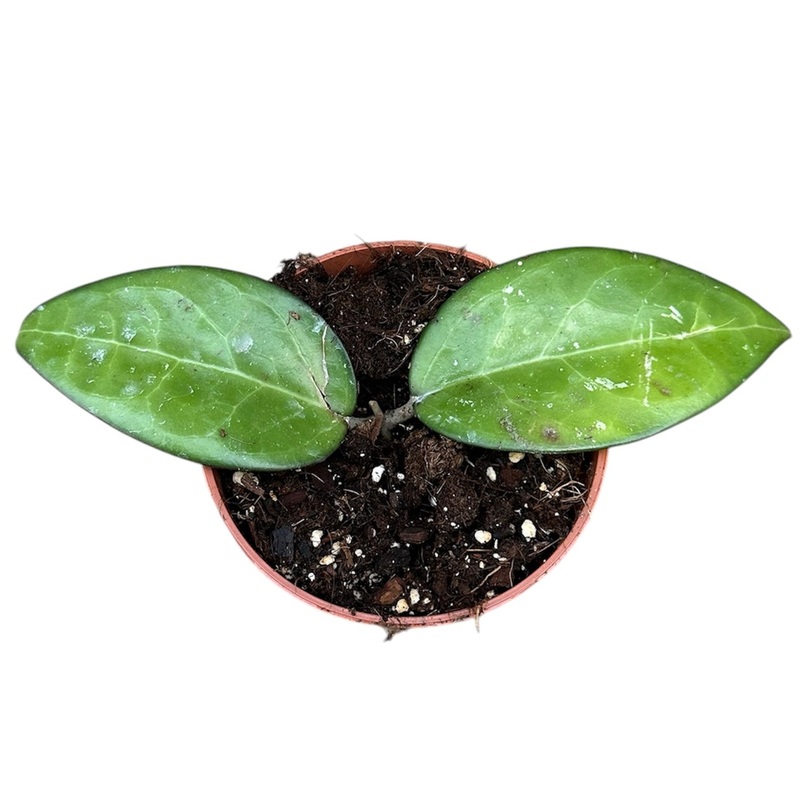
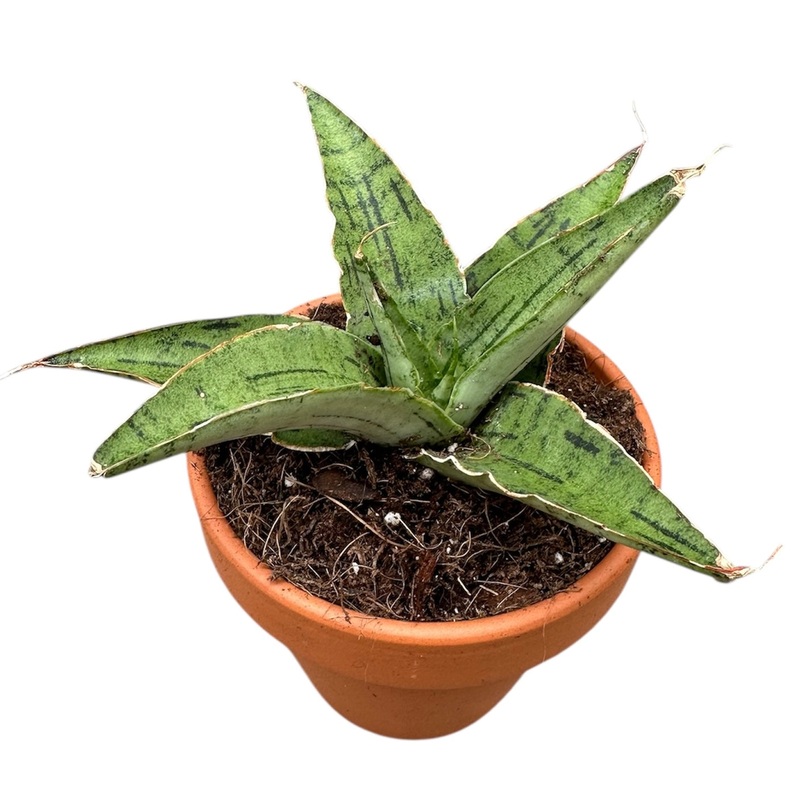
10 – 15cm Hoya sp Malang House Plant 10,5 cm Pot
Hoya sp. Malang is a rare and beautiful species native to Indonesia, particularly the Malang region in East Java. This epiphytic plant is known for its attractive foliage and delicate flowers, making it a prized addition to any Hoya collection. As part of
Hoya sp. Malang is a rare and beautiful species native to Indonesia, particularly the Malang region in East Java. This epiphytic plant is known for its attractive foliage and delicate flowers, making it a prized addition to any Hoya collection. As part of the Apocynaceae family, it thrives in warm, humid conditions and can be grown as a trailing or climbing vine.
Leaves
The leaves of Hoya sp. Malang are thick, elongated, and slightly waxy. They are typically deep green, sometimes with lighter veining, and have a slightly leathery texture. The succulent-like nature of the leaves allows the plant to retain moisture, making it somewhat drought-tolerant.
Flowers
This Hoya produces stunning star-shaped flowers that grow in umbel-like clusters. The blooms are usually pale yellow, cream, or light pink, with a deeper pink or maroon centre. They have a waxy texture and emit a sweet fragrance, especially in the evening. Flowering is encouraged when the plant receives ample light and proper care.
Growth Habit
As a twining and vining plant, Hoya sp. Malang grows by wrapping itself around supports or trailing beautifully in hanging baskets. It has a moderate growth rate and thrives when given the right balance of warmth, humidity, and light.
Care Guide
Light Requirements
This Hoya prefers bright, indirect light. Too much direct sunlight can scorch the leaves, while insufficient light may slow growth and prevent flowering. If grown indoors, an east- or west-facing window is ideal. Some gentle morning sun can be beneficial, but the plant should be protected from harsh afternoon rays.
Temperature & Humidity
Warm temperatures between 1830C (6586F) are ideal for Hoya sp. Malang. It is not frost-tolerant and should always be kept above 10C (50F). High humidity (above 60%) is preferred, though the plant can adapt to moderate humidity levels. If indoor air is too dry, misting the plant or using a humidifier will help maintain optimal conditions.
Watering
Water when the top 2-3 cm of soil feels dry. This plant prefers to dry out slightly between waterings to prevent root rot. Reduce watering during cooler months when growth slows. Always use room-temperature, non-chlorinated water to avoid shocking the roots.
Soil & Potting Mix
A well-draining, aerated potting mix is crucial for Hoya sp. Malang. A suitable mix includes orchid bark, perlite or pumice, coco coir or peat moss, and a small amount of charcoal for drainage. This mix helps prevent excess moisture retention and supports healthy root development.
Fertilisation
Feed the plant with a balanced liquid fertiliser every 2-4 weeks during the growing season (spring and summer). A fertiliser with higher phosphorus content can be used to encourage flowering. Reduce feeding in autumn and winter when the plants growth slows.
Potting & Repotting
Repot every 2-3 years or when the roots outgrow the pot. Choose a container with drainage holes to prevent excess moisture retention. A terracotta or breathable plastic pot is ideal for maintaining healthy root conditions.
Pruning & Maintenance
Pruning helps control the plants shape and encourages bushier growth. Avoid cutting off flower peduncles, as Hoyas bloom repeatedly from the same nodes. Wipe the leaves with a damp cloth to remove dust and improve photosynthesis.
Propagation
Propagation is best done through stem cuttings. Cuttings should include at least one node and can be rooted in water, sphagnum moss, or a well-draining mix. Rooting typically takes 2-6 weeks, depending on temperature and humidity.
Common Problems & Solutions
- Yellowing Leaves Usually caused by overwatering. Allow the soil to dry slightly before watering again.
- Wrinkled Leaves Indicates underwatering or low humidity. Increase watering slightly or mist the plant occasionally.
- No Flowers Often due to insufficient light or nutrients. Move to a brighter spot and use a bloom-boosting fertiliser.
- Root Rot Caused by excessive moisture in the soil. Ensure the potting mix is well-draining and avoid overwatering.
- Pests Mealybugs, spider mites, and aphids can occasionally appear. Wipe the leaves with neem oil or use insecticidal soap to manage infestations.
Reviews
There are no reviews yet.